

The landscape of fashion design in 2026 is undergoing a profound transformation, shaped by a powerful confluence of sustainability, cutting-edge technology, evolving aesthetics, and significant social shifts. For aspiring designers and industry professionals, understanding these pivotal design concepts and their real-world usage is not just beneficial, but essential. At our training academy, we’re dedicated to equipping students with the foresight and skills necessary to thrive in this dynamic environment, ensuring they are at the forefront of the trends in fashion design.
Sustainable and Circular Fashion
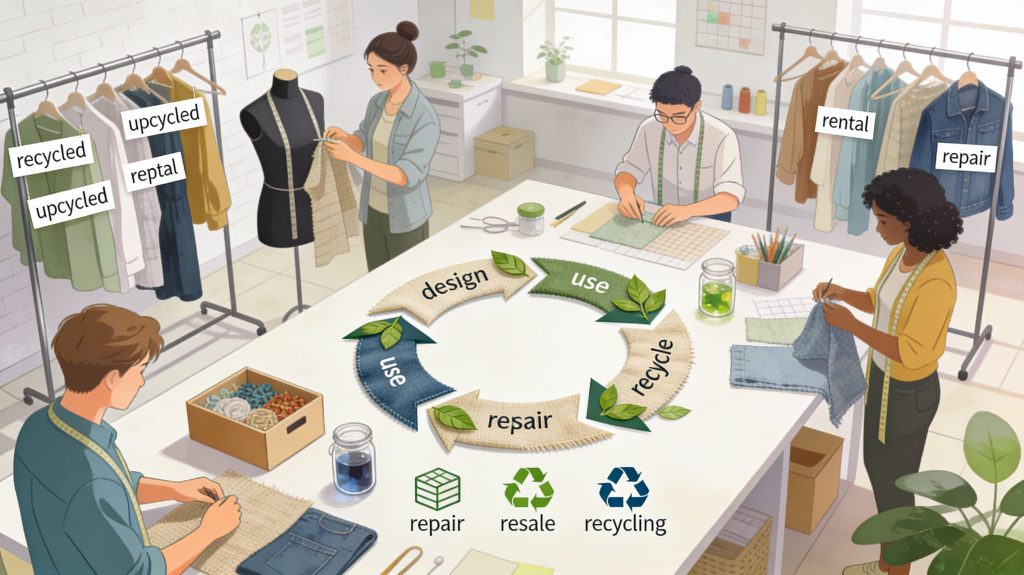
One of the most defining design concepts for 2026 is the undeniable imperative of Sustainable and Circular Fashion. Sustainability has moved beyond a mere buzzword to become a core philosophy, with a strong emphasis on circularity. This involves minimizing waste and maximizing resource utility throughout a garment’s entire lifecycle. Designers are now actively integrating circular business models like repair, resale, and rental services, which encourage consumers to extend the life of their clothing. Brands are even implementing take-back programs to facilitate recycling and upcycling.
Innovative Materials & Techniques
Our fashion design courses delve deep into sustainable materials, exploring everything from organic cotton and hemp to innovative bio-based alternatives such as lab-grown leather and mycelium composites. We teach techniques like zero-waste pattern efficiency, which utilizes every fabric piece, and upcycling old textiles into entirely new designs, making upcycled fabric fashion a new norm. Furthermore, the focus on eco-friendly dyes and the principles of slow fashion—emphasizing durability, quality, and mindful consumption—are integral parts of contemporary fashion design. This also includes “design for disassembly,” where garments are created with components that can be easily recycled or reused.
Technology Integration
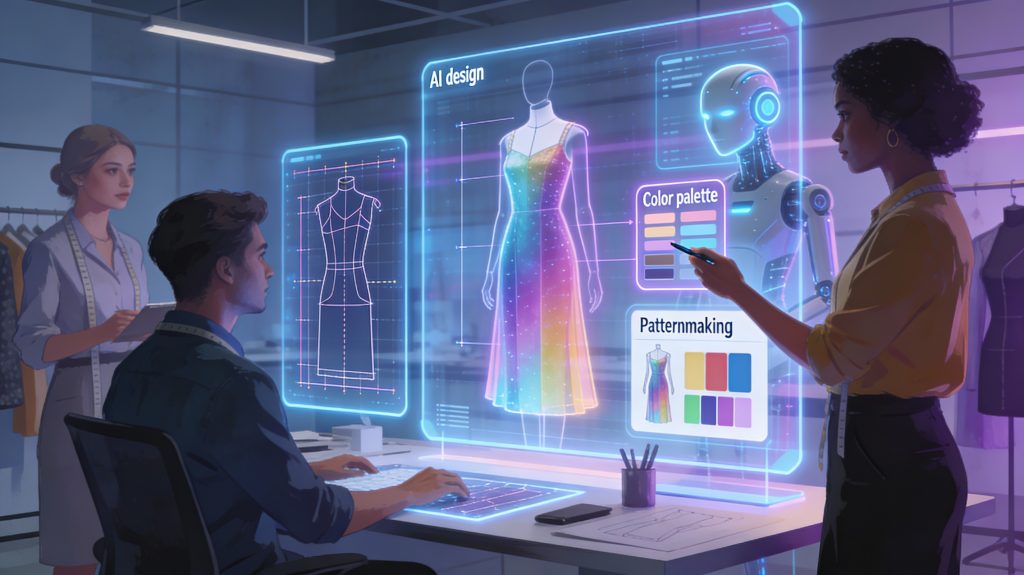
Beyond sustainability, technology integration is revolutionizing every facet of the industry. Artificial Intelligence (AI) has emerged as a powerful tool, enhancing creativity and efficiency from ideation to production. AI assists designers in generating innovative design concepts, exploring color palettes, and improving accuracy in patternmaking. It also drives hyper-personalization, allowing for customized designs based on individual preferences.
Digital Design & Beyond
Our curriculum emphasizes digital prototyping and 3D printing, enabling students to virtually test fabric drape and garment fit, significantly reducing the need for physical samples and minimizing waste. This accelerates time-to-market, a crucial advantage in fast-paced fashion design. The metaverse also offers new frontiers for creativity, with brands creating digital-only garments, virtual collections, and Non-Fungible Tokens (NFTs) for digital ownership, often paired with physical items in “phygital” experiences. Smart textiles and wearable technology, incorporating features like temperature control and health monitoring, are another key area of innovation, merging fashion with functionality. Understanding blockchain technology is also vital for ensuring supply chain transparency and ethical sourcing, a growing concern in trends in fashion design.
Evolving Aesthetics and Styles
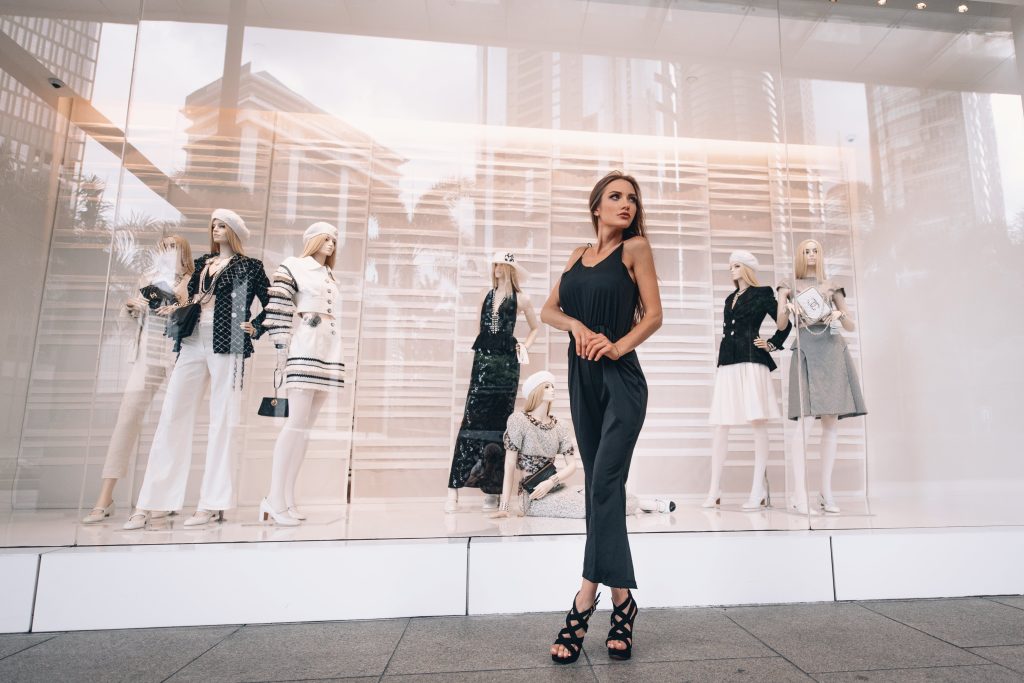
The evolving aesthetics and styles of 2026 present a fascinating interplay of contrasts. We see both maximalism and minimalism coexisting and influencing each other. Maximalism embraces bold prints, layered textures, and vibrant colors—think hot pink, electric blue, and lime green—often used in head-to-toe looks or statement accessories. Iridescent and metallic finishes add a futuristic glamour, while animal prints, particularly leopard and tiger, are making a strong resurgence. Conversely, minimalism continues to champion sleek, refined silhouettes and neutral tones.
Hybrid Approaches & New Directions
A notable hybrid approach, “Minimaluxe,” blends minimalist functionality with maximalist flair, using neutral bases accented with bold elements. Asymmetry, with one-leg pants, flowy skirts, and one-shoulder tops, adds a fresh, contemporary edge. Our fashion design courses explore specific trends in fashion design such as aquatic influences with lustrous fabrics and mermaid-inspired elements, the return of boho chic in suede, hot pants, and 80s-inspired bold shoulders. Mastering these diverse aesthetic vocabularies is fundamental for any successful fashion design career.
Social and Cultural Influences
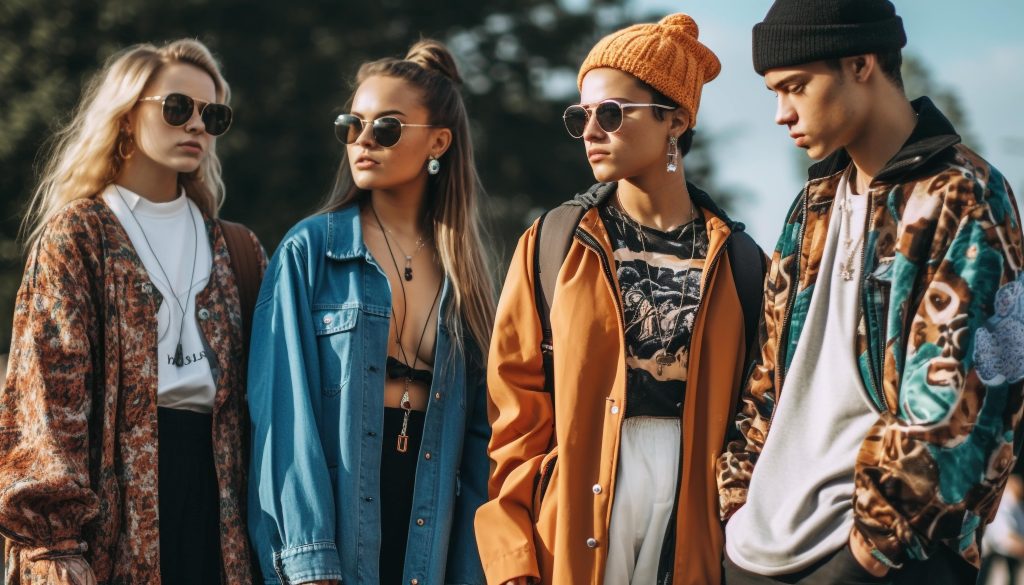
Finally, social and cultural influences are profoundly shaping fashion design in 2026. A strong desire for self-expression and inclusivity drives many of these shifts. Gender-fluid fashion, in particular, challenges traditional norms, focusing on comfort, style, and individuality beyond binary labels. This movement often incorporates oversized silhouettes, relaxed tailoring, neutral palettes, and adjustable fits to suit diverse body types and identities. This is more than a trend; it’s a cultural wave reflecting a broader call for freedom in personal expression. Consequently, consumers are increasingly seeking unique fashion items that reflect their personal style, driving demand for customization options, bespoke tailoring, and made-to-order garments. Virtual AI assistants are even curating personalized looks based on body type, social schedule, and mood. These shifts underscore the importance of empathetic and inclusive design, a concept that our academy integrates into all aspects of our training.
Conclusion
In conclusion, the future of fashion design in 2026 is a complex yet exciting frontier. Mastering sustainable practices, leveraging technological innovations, navigating diverse aesthetic movements, and responding to evolving social demands are no longer optional but essential. Our comprehensive diploma in fashion design course are meticulously crafted to prepare the next generation of designers to not only adapt to these changes but to lead them, shaping the future of style with creativity, responsibility, and innovation. By understanding and applying these key design concepts, our graduates are empowered to create impactful and relevant fashion that resonates with the conscious consumer of tomorrow.