
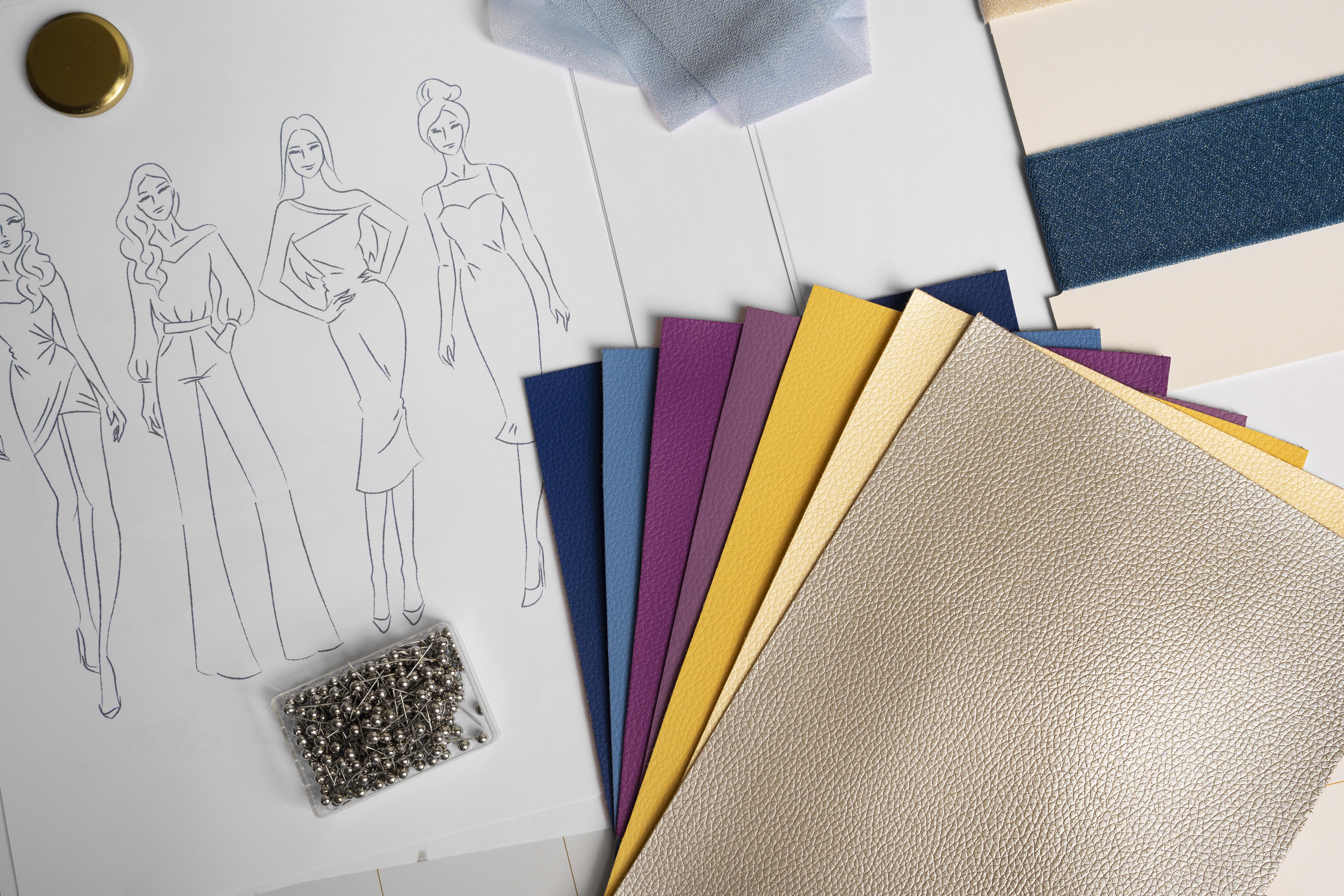
Ever wondered why certain colors suddenly appear everywhere—in stores, on Instagram, on celebrities? It’s not magic. It’s a multi-billion dollar science called color forecasting.
In this comprehensive guide, you’ll learn exactly how fashion color trends are predicted 24 months in advance, who decides the ‘Color of the Year,’ and most importantly—how to use this knowledge to build a wardrobe that actually works for you.
Quick Facts: Color Forecasting by the Numbers
- 85% of purchase decisions are driven by color
- 90% of snap judgments about products are based on color alone
- 24 Months — How far in advance trends are predicted
- 90%+ Accuracy rate achieved by AI-powered forecasting (WGSN)
What is Fashion Color Forecasting?
Color forecasting is the practice of predicting which colors will be popular in fashion, interiors, and consumer products 18-24 months before they hit retail shelves.
It’s not guesswork. Modern color forecasting combines three powerful disciplines:
- Data Science: AI algorithms analyze millions of social media posts, search trends, and e-commerce patterns to detect emerging color preferences.
- Cultural Intelligence: Experts travel globally to observe trends in art, politics, travel, and social movements.
- Business Strategy: Brands align production cycles to minimize waste and maximize consumer appeal.
A Brief History of Color Forecasting
The roots of color forecasting trace back to 1856, when Mauveine—the first synthetic dye—was discovered. This revolutionized textile production and created the need for organized color communication.
Key Milestones in Color Forecasting
- 1856: Mauveine discovery creates first synthetic dye
- Late 1800s: Lyon, France dye houses issue first seasonal shade cards
- 1963: Pantone founded, standardizing color communication globally
- 2000: Pantone launches ‘Color of the Year’ program
- 2020s: AI-powered forecasting achieves 90%+ accuracy
Who Decides Fashion Color Trends? The Key Players
While trends may feel organic, they’re largely guided by a few powerful institutional players.
1. WGSN (Worth Global Style Network)
WGSN is the industry’s dominant forecasting agency. In partnership with Coloro (their color system), they use AI-driven analysis to achieve over 90% forecasting accuracy.
WGSN’s 2026 Color of the Year: Transformative Teal
2. Pantone Color Institute
Pantone is the most commercially recognized color authority. Their annual ‘Color of the Year‘ announcement influences everything from fashion to home décor to automotive design.
The selection process begins in spring of the preceding year, with experts analyzing films in production, geopolitical events, technology trends, and cultural shifts.
2026 Color Forecast: What’s Trending?
The overarching theme for 2026 is “Redirection“—a collective psychological shift toward stability, ecological connection, and resilience.
Transformative Teal: Color of the Year 2026
WGSN’s flagship color for 2026 is Transformative Teal—a fluid fusion of dependable dark blue and aquatic green.
Why Teal for 2026?
- Reflects an ‘Earth-first mindset‘
- Moves away from ‘dopamine brights‘ toward grounded, restorative shades
- Symbolizes ecological responsibility and transformation
- Works across fashion, interiors, and digital design
The Supporting 2026 Color Palette
| Color Name | Hex Code | Best For |
| Transformative Teal | #008080 | Statement pieces, accessories |
| Warm Mahogany | #4A2C2A | Autumn/winter outerwear |
| Eucalyptus Green | #5D8A66 | Casual wear, loungewear |
| Electric Fuchsia | #FF00FF | Party wear, accents |
| Jelly Mint | #98FF98 | Spring/summer, athleisure |
The Psychology Behind Color Choices
Research indicates that up to 90% of snap judgments about products are based on color alone. Understanding color psychology helps explain why certain colors resonate at certain times.
Dopamine Dressing: Why Bright Colors Boost Mood
In times of uncertainty or during dark winter months, consumers instinctively gravitate toward bright colors. This phenomenon, called ‘dopamine dressing,’ uses vibrant hues to trigger physiological responses—much like sunlight affects the brain.
The Comfort of Neutrals: When We Seek Stability
During economic instability or global unrest, trends often swing toward ‘safe’ classics like navy, beige, and brown. These colors communicate stability, reliability, and groundedness—qualities consumers subconsciously crave when the world feels chaotic.
Colors as Social Signals
- High Contrast (Black & White): Projects authority, power, professionalism
- Soft Analogous (Pinks & Peaches): Evokes approachability, warmth, harmony
- Bold Saturated Colors: Signals confidence, creativity, willingness to stand out
- Muted Earth Tones: Communicates reliability, eco-consciousness, sophistication
How to Find Colors That Actually Suit YOU
⚠️ Common Mistake: Blindly following the ‘Color of the Year‘ without considering your own features. Not every teal will look good on everyone!
Step 1: Identify Your Skin Undertone
Your skin’s undertone (warm, cool, or neutral) determines which version of a trendy color will make you glow—versus which will make you look ‘washed out.’
Quick Undertone Test:
Look at the veins on your inner wrist
- Green Veins = Warm undertone (best in gold jewelry, rust, terracotta)
- Blue/Purple Veins = Cool undertone (best in silver jewelry, jewel tones, icy teal)
- Blue-Green Mix = Neutral undertone (lucky you—most colors work)
Step 2: Apply the 60-30-10 Rule
To integrate bold forecast colors without looking like a ‘fashion victim,’ use this principle borrowed from interior design:
- 60% Dominant Color: The base of your outfit (e.g., a neutral coat or suit)
- 30% Secondary Color: A contrasting texture or tone (e.g., shirt or trousers)
- 10% Accent Color: This is where the trendy ‘Color of the Year’ lives—a bag, scarf, or shoes
💡 Pro Tip: You don’t need to wear every trending color. The most stylish people have a personalized palette—maybe ‘faded Japanese vintage’ or specific jewel tones—that they stick to regardless of what WGSN predicts.
Frequently Asked Questions About Color Forecasting
What is the color of the year 2026?
According to WGSN and Coloro, the Color of the Year 2026 is Transformative Teal (Hex: #008080)—a fusion of dependable dark blue and aquatic green that represents ecological responsibility and stability.
How far in advance are fashion colors predicted?
Fashion color trends are typically predicted 18-24 months in advance. This allows the global supply chain—from dye manufacturers to retailers—to align production and minimize waste.
Who decides the Pantone Color of the Year?
The Pantone Color Institute selects the Color of the Year through a secretive, collaborative process that begins in spring of the preceding year. Experts analyze cultural trends, films in production, geopolitical events, technology developments, and social movements.
How accurate is fashion color forecasting?
Modern AI-powered forecasting agencies like WGSN achieve over 90% accuracy in predicting which colors will resonate with consumers. This is accomplished through analysis of millions of social media posts, search trends, and e-commerce data.
Do I have to follow color trends?
Absolutely not! Color forecasting serves as a ‘weather report’ for culture. You don’t have to wear the rain—or the teal. The best approach is to understand trends, then adapt them to your personal undertone and style preferences using the 60-30-10 rule.
Key Takeaways: What Fashion Students Need to Know
- Color forecasting is science + culture: It combines AI data analysis with cultural anthropology and business strategy.
- 24 Months Ahead: Trends are predicted 2 years in advance to align global supply chains.
- Transformative Teal Leads 2026: Reflecting ecological responsibility and a desire for grounded stability.
- Your Undertone Matters Most: Not every trending color suits everyone—adapt trends to your features.
- Use the 60-30-10 Rule: Trendy colors work best as accents (10%), not full outfits.
- Build Your Signature Palette: Consistent personal style > chasing every trend.
Ready to Master Fashion Design?
Understanding color forecasting is just one skill in the fashion designer’s toolkit. At Orane International, our industry-aligned curriculum covers everything from color theory to pattern making, draping to digital design.
Our programs include:
- Diploma in Fashion Design (1 Year)
- Advanced Diploma in Fashion Design (1 Year)
- B.Voc in Fashion Design (3 Years)
- Diploma in Fashion Styling and Forecasting (1/2 Years)
📞 Book a Free Career Counseling Session
Visit: www.oranefdm.com
“Color forecasting serves as a weather report for culture. You don’t have to wear the rain—or the teal—but knowing it’s coming helps you navigate the world with intention.”